
Blog
DPF Cleaning India: The Hidden Costs of Driving with a Clogged DPF (Repair vs. Preventive Care)
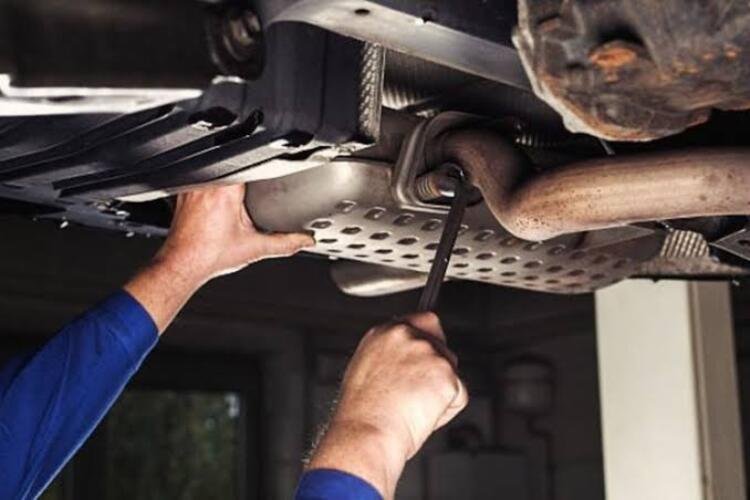
Driving with a clogged DPF can increase fuel and repair costs. It also reduces engine performance and risks expensive component failures. Ignoring early warning signs can turn minor problems into major repairs. Preventive DPF cleaning helps protect your vehicle and wallet.
What Is a Diesel Particulate Filter (DPF)?
A Diesel Particulate Filter captures harmful soot from diesel exhaust gases. It helps reduce particulate emissions from modern diesel vehicles. The filter contains a ceramic honeycomb structure with tiny channels. These channels trap soot while allowing exhaust gases through.
Over time, trapped soot gradually blocks the filter’s passages. Vehicles remove accumulated soot through a process called regeneration. Regeneration burns soot and helps restore exhaust flow. However, accumulated ash requires professional cleaning or filter replacement.
Why Does a DPF Get Clogged?
Several driving and engine problems can accelerate DPF blockage. Understanding these causes helps prevent expensive diesel vehicle repairs.
- Frequent Short Trips: Short journeys prevent sufficient exhaust temperatures. Consequently, vehicles may struggle to complete regeneration cycles.
- Faulty Fuel Injectors: Damaged injectors can introduce excessive fuel into combustion. This increases soot production and accelerates filter blockage.
- Incorrect Engine Oil: Non-compliant engine oil produces additional non-combustible ash. Low-SAPS oil helps protect modern diesel particulate filters.
- Faulty EGR Valve: A malfunctioning EGR valve affects combustion efficiency. It can increase soot production and worsen DPF blockage.
- Extended Idling: Long idling periods may prevent proper regeneration. This becomes particularly challenging during frequent urban driving.
The Hidden Financial Costs of Driving with a Clogged DPF
A clogged DPF creates mechanical problems and financial pressure. Ignoring these problems can increase your vehicle’s maintenance expenses. Here are six important costs every diesel owner should understand.
1. Increased Fuel Consumption
A blocked DPF restricts exhaust flow and increases back-pressure. Consequently, the engine may work harder during operation. Repeated regeneration attempts can also consume additional diesel fuel. This combination can reduce your vehicle’s overall fuel efficiency.
2. Expensive Turbocharger Repairs
Excessive exhaust back-pressure can affect turbocharger operating conditions. It may increase thermal and mechanical stress on components. Prolonged operation can contribute to turbocharger damage or failure. Replacing a damaged turbocharger can create significant repair expenses.
3. Engine Oil Dilution
Repeated unsuccessful regeneration can introduce extra fuel into cylinders. Some unburnt diesel may wash down cylinder walls. This fuel can mix with engine oil. Diluted oil reduces lubrication and increases engine wear.
4. Reduced Engine Performance
A clogged DPF restricts the engine’s exhaust gas flow. Drivers may experience sluggish acceleration and reduced power. Some vehicles activate limp mode to protect components. This makes everyday driving difficult and affects productivity.
5. Expensive DPF Replacement
Severe filter damage may make professional cleaning unsuitable. Excessive ash, cracks, or melted substrates require assessment. Replacing an original DPF can become extremely expensive. Replacement costs depend on vehicle model and filter availability.
6. Unexpected Vehicle Downtime
Commercial vehicles lose valuable operating hours during unexpected repairs. Delivery delays can affect customers and business operations. Repair appointments also increase maintenance planning difficulties. Preventive care helps reduce avoidable vehicle downtime.
DPF Repair vs. Preventive Cleaning: Which Saves More Money?
Preventive cleaning can reduce unnecessary repair and replacement expenses. However, technicians must inspect filters before recommending treatments. Cleaning works when the filter remains structurally suitable.
|
Comparison Factor |
Repair or Replacement |
Preventive DPF Cleaning |
|
Initial expense |
Usually higher |
Generally lower |
|
Vehicle downtime |
Often longer |
Usually shorter |
|
Filter condition |
May involve damaged components |
Suitable filters retain original structure |
|
Exhaust flow |
Restored after successful repair |
Improved after effective cleaning |
|
Maintenance approach |
Often reactive |
Proactive |
|
Long-term planning |
Less predictable |
Easier to schedule |
Understanding DPF Cleaning Cost in India
The DPF cleaning cost depends on several important factors. Vehicle type and filter condition influence the final price. Cleaning methods and workshop equipment also affect charges. Therefore, always request an inspection-based quotation before proceeding.
Important factors affecting cleaning expenses include:
- Vehicle make, model, and engine capacity.
- Level of soot and ash accumulation.
- Accessibility and removal complexity of the filter.
- Cleaning technology and equipment used.
- Inspection, testing, and reinstallation requirements.
For severely damaged filters, replacement may become necessary. Compare cleaning and replacement quotations before making decisions.
How Does Professional DPF Cleaning Work?
Professional cleaning removes accumulated deposits from suitable DPF filters. It also helps restore exhaust flow and filter performance. A proper process includes inspection, cleaning, and testing.
Typical professional cleaning involves these steps:
- Initial Inspection: Technicians examine the filter and vehicle condition.
- Diagnostic Testing: They check fault codes and differential pressure readings.
- Filter Removal: Technicians carefully remove the DPF assembly.
- Machine Cleaning: Suitable equipment removes accumulated soot and ash.
- Drying Process: The filter undergoes controlled drying when required.
- Post-Cleaning Testing: Technicians compare flow or pressure readings.
- Reinstallation: They reinstall the filter and check vehicle operation.
Professional hydro-dynamic cleaning can remove suitable soot and ash. Results depend on filter condition and cleaning procedures. Always request before-and-after test readings from service providers.
Different DPF Regeneration Methods Explained
Regeneration helps remove combustible soot from diesel particulate filters. Different vehicles use different regeneration methods during operation.
- Passive Regeneration: Exhaust heat naturally burns accumulated soot during suitable driving.
- Active Regeneration: The engine management system increases exhaust temperatures automatically.
- Forced Regeneration: Diagnostic equipment initiates regeneration under suitable workshop conditions.
- Professional Machine Cleaning: Specialised equipment removes deposits, including suitable accumulated ash.
Regeneration cannot remove non-combustible ash from the filter. Professional cleaning becomes important when ash accumulation restricts flow.
How to Prevent DPF Blockage in Indian Driving Conditions
Indian traffic conditions can make DPF maintenance challenging. Frequent congestion and short journeys interrupt regeneration cycles. Following suitable maintenance practices helps reduce blockage risks.
Here are eight practical preventive maintenance tips:
- Follow manufacturer-recommended DPF maintenance schedules consistently.
- Avoid repeated short trips whenever practical.
- Follow vehicle instructions when regeneration warnings appear.
- Use manufacturer-approved low-SAPS engine oil.
- Inspect fuel injectors and EGR valves regularly.
- Replace clogged air filters at recommended intervals.
- Investigate recurring warning lights without unnecessary delays.
- Schedule professional inspections when performance decreases.
Never ignore persistent warning lights or force regeneration blindly. Always follow manufacturer instructions and seek qualified technical assistance.
When Should You Choose Cleaning Instead of Replacement?
Professional cleaning suits filters with removable deposits and intact structures. However, cleaning cannot repair every damaged DPF assembly. Technicians must assess the filter before recommending treatment.
Cleaning may suit filters experiencing:
- Excessive soot and removable ash accumulation.
- Increased differential pressure across the filter.
- Repeated regeneration problems caused by deposits.
- Restricted exhaust flow without structural damage.
Replacement may become necessary when technicians identify:
- Cracked or melted ceramic filter substrates.
- Severe physical damage inside the filter.
- Irreversible contamination or structural deterioration.
- Cleaning that cannot restore acceptable flow.
Always diagnose underlying engine problems before cleaning or replacement. Otherwise, the replacement filter may develop similar problems.
Conclusion
Ignoring a clogged DPF can create expensive mechanical problems. Rising fuel consumption often signals developing exhaust restrictions. Turbocharger damage and engine oil dilution increase repair expenses. Preventive maintenance helps avoid unnecessary failures and downtime.
Choosing professional DPF cleaning India services supports better vehicle maintenance. Early inspections help identify problems before they become serious. Do not wait until replacement becomes your only option.
Looking for a reliable DPF cleaner India?
DPFXPERT provides professional DPF cleaning solutions for diesel vehicles. Our cleaning approach focuses on inspection and suitable treatment. Contact DPFXPERT today to discuss your cleaning requirements. Restore proper exhaust flow and protect your vehicle investment.
Frequently Asked Questions
1. What is the cost of DPF cleaning in India?
DPF cleaning cost varies according to vehicle and filter condition. Cleaning technology and workshop charges also influence pricing. Request an inspection-based quotation before choosing any service.
2. What happens if I drive with a clogged DPF?
A clogged DPF restricts exhaust flow and increases back-pressure. It can reduce engine power and increase fuel consumption. Continued operation may contribute to expensive component damage.
3. Can a clogged DPF increase fuel consumption?
Yes, a clogged DPF can reduce overall fuel efficiency. Restricted exhaust flow increases engine operating strain. Repeated regeneration attempts may also consume additional fuel.
4. How do I know if my DPF is blocked?
Common signs include warning lights and reduced engine performance. You may also notice poor mileage and frequent regeneration. Diagnostic testing confirms the actual level of restriction.
5. Is DPF cleaning better than replacement?
Cleaning can cost less when the filter remains structurally healthy. However, severely damaged filters may require complete replacement. Professional inspection helps determine the appropriate solution.
6. How often should a DPF be cleaned?
There is no single cleaning interval for every vehicle. Driving conditions and manufacturer recommendations determine maintenance requirements. Follow diagnostic readings rather than relying only on mileage.
7. Can highway driving clean a clogged DPF?
Suitable highway driving can support passive DPF regeneration. However, it cannot remove accumulated non-combustible ash. Severe blockages require professional inspection and suitable treatment.
8. What is the difference between DPF regeneration and cleaning?
Regeneration burns accumulated soot using sufficiently high temperatures. Professional cleaning removes deposits using specialised equipment. Cleaning can also address suitable accumulated ash deposits.
9. Can a clogged DPF damage a turbocharger?
Excessive exhaust back-pressure can increase turbocharger operating stress. Prolonged problems may contribute to component damage. Early diagnosis helps reduce potential repair expenses.
10. How long does professional DPF cleaning take?
Cleaning time depends on vehicle design and filter condition. Removal, cleaning, drying, and testing affect total duration. Request an estimated completion time from your service provider.
11. Can professional cleaning remove ash from a DPF?
Yes, suitable professional cleaning methods can remove accumulated ash. However, cleaning effectiveness depends on filter condition. Cracked or melted substrates generally require replacement.
12. When should I contact a DPF cleaning specialist?
Contact a specialist when warning lights repeatedly appear. Reduced engine power and frequent regeneration also need attention. Professional diagnostics help identify the correct maintenance solution.