
Blog
The Truth About Modern Diesel Particulate Filters What Every Diesel Vehicle Owner in Kerala Actually Needs to Know
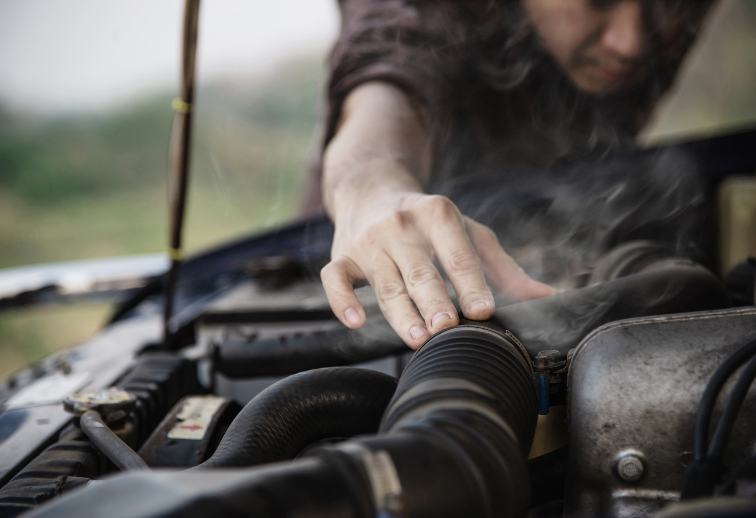
Here is something that most people don’t find out until it’s too late: that small filter sitting inside your diesel vehicle’s exhaust system is quietly one of the most important parts of your entire car. Not the engine. Not the gearbox. That filter. And when it fails, nothing else really works properly either.
The Diesel Particulate Filter or DPF has been mandatory on diesel vehicles for well over a decade now. Yet most vehicle owners in Kerala have either never heard of it, or they’ve only heard about it the day a mechanic tells them it needs to be replaced and quotes them a price that makes their jaw drop. That’s a bad situation to be in, and it happens constantly.
This blog is an attempt to actually explain what’s going on with this part how it works, why it fails so often in Kerala specifically, what your options are, and what it really should cost you to fix it. No confusing jargon. Just straightforward information that helps you make a smarter decision.
What Exactly Does a Diesel Particulate Filter Do?
When diesel fuel burns inside an engine, the combustion process isn’t perfect. Small carbon particles, what we commonly call soot, get produced as a byproduct. Before DPF technology existed, all of that soot just went straight out of the exhaust and into the air. That’s the thick black smoke you sometimes see coming from older trucks and buses.
A DPF is essentially a ceramic honeycomb filter placed in the exhaust path. It traps those soot particles before they escape into the atmosphere. Depending on the vehicle and driving conditions, a DPF can capture over 85% of particulate matter. That’s genuinely significant from an air quality standpoint, especially in a state like Kerala where vehicle density in cities like Kochi and Kozhikode is very high.
So the DPF is doing something important and useful. The problem is that it’s also a filter meaning it fills up. And when it fills up, it creates problems.
The Self-Cleaning System That Often Doesn’t Work in Kerala
Engineers who designed DPF systems were smart about this. They built in a process called regeneration essentially, the filter burns off the collected soot at very high temperatures, turning it into a tiny amount of ash that is far less harmful. In ideal conditions, the DPF regenerates automatically while you drive and you’d never even know it was happening.
The catch is the word ‘ideal.’ For passive regeneration to work, the exhaust needs to reach temperatures of around 550 to 600 degrees Celsius. To get there, the engine needs to be working fairly hard which generally means driving at a sustained speed of 60 kilometres per hour or more for at least twenty to thirty minutes at a stretch.
Now think about driving in Thrissur on a busy morning. Or trying to get through Calicut city during school hours. Or pretty much any NH-66 stretch between Kochi and Alappuzha around 8 AM. Stop. Start. Crawl. Stop again. The engine barely warms up properly, let alone gets hot enough to burn off DPF deposits. This is the core reason why DPF problems are so common in Kerala; the traffic conditions here are almost perfectly designed to prevent the filter from doing its own maintenance.
Vehicles used for short school runs, deliveries within city limits, or daily urban commutes are particularly prone to early DPF failure for exactly this reason. The filter just never gets the chance to clear itself.
Warning Signs You Should Never Ignore
The good news is that a DPF problem almost always gives you warning signs before it becomes a full emergency. Catching these early makes the difference between a manageable cleaning job and a very expensive replacement.
- A dashboard warning light that looks like a rectangular box with dots flowing out is the DPF indicator, and it means the filter is getting full.
- Noticeably reduced engine power the car feels sluggish, like it’s struggling to accelerate even on familiar roads.
- Fuel consumption goes up even though your driving patterns haven’t changed.
- The vehicle enters limp mode engine management limits speed to protect the system, and nothing you do with the accelerator seems to help.
- Unusual exhaust smell or more visible smoke than normal from the exhaust pipe.
- More frequent DPF regeneration attempts you might notice the engine running slightly rough or the cooling fan working harder for short periods.
If two or more of these are happening together, treat it as urgent. The longer a blocked DPF is left unaddressed, the harder and more expensive it becomes to fix. Some vehicles will eventually go into a complete protection shutdown and refuse to start properly.
Cleaning vs. Replacing This Decision Matters a Lot
When someone tells you your DPF needs replacing, the first question you should ask is: has a proper professional cleaning been attempted? Because for the majority of blocked DPF cases, cleaning is a completely viable option and the cost difference is enormous.
A genuine OEM replacement DPF for a popular SUV or commercial vehicle can cost anywhere from forty thousand to over a lakh and a half rupees once you include parts and labour. That’s a significant hit for any vehicle owner. A thorough professional cleaning, on the other hand, costs a fraction of that and if done properly, restores the filter to near-original performance.
The key phrase there is ‘done properly.’ This is where the quality of the service provider makes all the difference. A proper DPF clean is not someone spraying an additive into your exhaust or pouring a bottle of chemical into your fuel tank. Those approaches might reduce symptoms temporarily but they don’t actually remove the hardened ash deposits that form over time inside the filter channels.
A genuine professional clean involves removing the DPF from the vehicle, inspecting it for physical damage, flushing it with specialised heated cleaning solution under controlled pressure, drying it completely, and then testing the back pressure before and after to confirm the blockage has actually been cleared. It takes time and it takes proper equipment which brings us to the next important point.
What the Best DPF Cleaning Machine in Kerala Actually Looks Like
If you’re a vehicle owner trying to find a reliable service, or if you’re simply curious about what separates a proper DPF cleaning from a mediocre one, the equipment being used tells you a lot.
The best DPF cleaning machine in Kerala should be capable of pneumatic flushing using compressed air and cleaning fluid to force deposits out from both directions of the filter channels. It should also have a heating element so the cleaning solution is applied at an effective temperature, which breaks down even older hardened deposits that cold chemicals won’t touch.
Equally important is what happens after the cleaning. The filter needs to be properly dried not just left to air dry because a wet filter going back into a hot exhaust system causes its own problems. And critically, the machine should measure differential pressure (back pressure) before and after cleaning so there’s actual data showing the filter has been restored, not just a visual inspection and a guess.
At DPF Xpert, this is the standard we hold ourselves to. We’ve seen vehicles arrive with DPFs that were declared beyond saving by other workshops and after proper professional cleaning with the right equipment, those filters performed within acceptable limits again. That’s not magic. It’s just doing the job correctly.
DPF Cleaning Cost in Kerala Honest Numbers
Let’s talk about money, because this is usually the first question and it deserves a straight answer. DPF cleaning cost in Kerala varies depending on the vehicle type and the severity of the blockage, but for most passenger vehicles Fortuners, Innovas, XUVs, Safaris, Scorpios you should expect to pay somewhere in the range of four thousand to twelve thousand rupees for a complete professional cleaning service.
For larger commercial vehicles or cases with severe ash buildup that requires extended cleaning cycles, the cost can be higher. But even at the upper end, it’s a fraction of the cost of replacement.
A couple of things to watch out for: if someone quotes you under two thousand rupees for a DPF clean, they are almost certainly not doing a proper job. Real professional cleaning takes time and proper equipment; it cannot be done cheaply. And on the other end, if a workshop immediately pushes you toward replacement without trying cleaning first, get a second opinion before agreeing to anything.
The honest approach which is the one we take at DPF Xpert is to first properly diagnose the filter, assess whether it’s physically damaged or just blocked, and then recommend cleaning if the filter is structurally intact. Only if the ceramic core is cracked or the filter has melted due to extreme regeneration failure would a replacement genuinely be necessary.
Simple Habits That Extend Your DPF’s Life
Prevention genuinely is better and cheaper than cure. Here are a few practical habits that any diesel vehicle owner in Kerala can adopt to reduce the risk of DPF problems:
- Once or twice a week, find a quieter stretch of road and maintain 60-80 kmph for at least twenty minutes. This gives the DPF a chance to regenerate passively.
- Don’t ignore warning lights. The earlier you address a DPF issue, the simpler and cheaper the fix.
- Use the correct grade of engine oil for your vehicle. Some cheaper oils produce more ash, which accelerates DPF clogging.
- Service your engine on schedule. A poorly maintained engine produces more soot and shortens DPF life significantly.
- Avoiding repeatedly topping up with small amounts of fuel running the engine properly on fuller tanks helps maintain consistent combustion temperatures.
The Bottom Line
The DPF is not the enemy. It’s doing an important job keeping harmful particles out of the air we all breathe. The problem isn’t the filter itself. The problem is that most vehicle owners in Kerala don’t know enough about it until something goes wrong, and then they’re vulnerable to making expensive decisions under pressure.
Understanding how it works, recognising the warning signs early, knowing that cleaning is usually the right first option, and knowing what a proper professional service should actually involve that knowledge saves money and saves stress.
DPF Xpert exists specifically to give diesel vehicle owners in Kerala honest, professional service on this exact issue. Whether it’s a diagnosis, a proper deep clean, or just advice on what the warning light actually means we’re here for it. Your vehicle deserves to be treated properly, and so does your wallet.