
Blog
What Are the Signs That Indicate the Need for Diesel Particulate Regeneration in India?
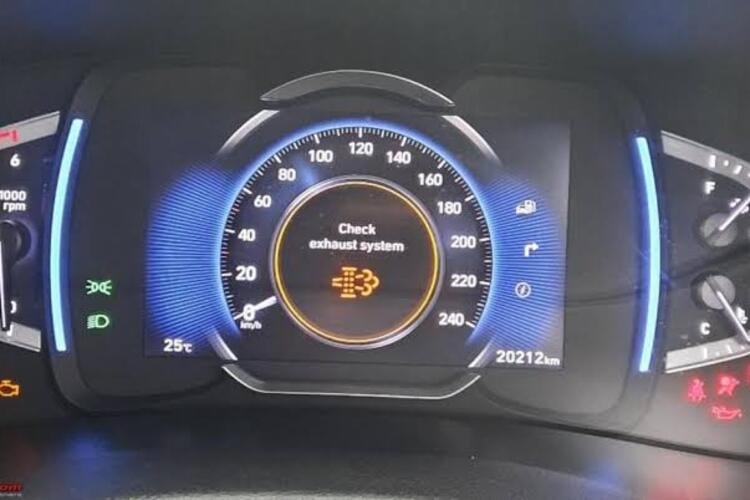
A blocked Diesel Particulate Filter (DPF) needs immediate attention. Warning lights, poor acceleration, and increased fuel consumption indicate problems. Ignoring these symptoms can lead to expensive vehicle repairs.
Modern diesel vehicles use DPF systems to control emissions. These filters capture harmful soot from diesel exhaust gases. However, accumulated soot gradually restricts exhaust gas movement. Regular regeneration helps maintain proper filter performance.
Understanding these warning signs helps prevent serious engine problems. This guide explains DPF regeneration, symptoms, and practical solutions. It also covers Indian driving conditions and maintenance.
What Is Diesel Particulate Regeneration?
Diesel particulate regeneration removes accumulated soot inside DPF filters. It uses high exhaust temperatures to burn trapped particles. This process helps restore proper exhaust flow and performance.
Modern BS6 diesel vehicles use advanced emission control systems. Their Engine Control Units (ECUs) continuously monitor DPF conditions. Sensors measure exhaust temperature and pressure differences. The system initiates regeneration when soot reaches certain levels.
Regeneration helps drivers maintain their vehicle’s emission systems. It also reduces the risk of severe filter blockage.
10 Warning Signs That Your Vehicle Needs DPF Regeneration
Your diesel vehicle often displays early blockage symptoms. Recognising these signs helps prevent costly repairs. Watch for these common changes during everyday driving.
1. DPF Warning Light Appears on the Dashboard
A DPF warning light indicates possible filter blockage. It usually appears when accumulated soot increases significantly. Your vehicle may require regeneration to remove trapped particles.
Check your vehicle handbook for specific instructions. Some manufacturers recommend sustained driving under suitable conditions. Never ignore persistent DPF warning lights.
2. Engine Management Warning Light Turns On
An illuminated engine warning light indicates possible system faults. These faults may involve emissions or engine components. DPF problems can sometimes trigger this warning.
Interrupted regeneration may increase accumulated soot levels. However, diagnostic scanning helps identify the actual problem. Avoid replacing components without proper inspection.
3. Reduced Engine Power and Poor Acceleration
A clogged DPF restricts exhaust gas movement significantly. This restriction increases pressure inside the exhaust system. Your vehicle may struggle during normal acceleration.
Common performance changes include:
- Slower acceleration during overtaking.
- Reduced engine responsiveness during uphill driving.
- Limited power during normal road conditions.
- Reduced-power protection mode in severe cases.
4. Increased Fuel Consumption
A blocked DPF can affect overall fuel efficiency. Your vehicle may attempt regeneration more frequently. These additional cycles can increase fuel consumption.
Drivers may gradually notice higher fuel expenses. Other engine faults can also cause similar symptoms. Therefore, inspect the vehicle before replacing components.
5. Frequent or Interrupted Regeneration Cycles
Modern vehicles automatically initiate regeneration when necessary. Drivers may not always notice this process happening. However, repeated interruptions can prevent complete soot removal.
Stopping the engine during regeneration interrupts cleaning. Repeated interruptions may eventually trigger warning notifications.
Common reasons include:
- Frequent short-distance journeys.
- Heavy traffic and repeated stopping.
- Insufficient exhaust temperatures during driving.
- Switching off the engine during regeneration.
6. Increased Exhaust Temperature
Active regeneration increases exhaust temperatures to burn soot. Drivers may notice unusual heat around exhaust components. This is sometimes accompanied by a temporary hot smell.
Avoid touching exhaust components during operation. Keep flammable materials away from hot exhaust systems. Seek professional help when overheating warnings appear.
7. Cooling Fan Runs More Frequently
The cooling fan may continue running after shutdown. This can happen during or after regeneration cycles. The exhaust system produces additional heat during regeneration.
Occasional fan operation can be completely normal. However, frequent unusual operations deserve professional attention.
8. Unusual Exhaust Smell
Regeneration can produce a temporary hot exhaust smell. This happens when accumulated soot burns inside filters. Some drivers notice a burning smell during regeneration.
However, strong or unusual smells need immediate attention. Do not assume every smell indicates normal regeneration. Ask a qualified technician to inspect the vehicle.
9. Engine Enters Limp Mode
Severe DPF blockage can trigger protective engine limitations. Your vehicle may reduce power to prevent further damage. This condition is commonly called limp mode.
Some vehicles display additional dashboard warning messages. Warning colours differ between vehicle manufacturers. Stop safely when instructed and seek professional assistance.
10. Increased Exhaust Backpressure
Accumulated soot restricts exhaust gas movement through filters. This restriction increases exhaust backpressure significantly. Excessive pressure can affect engine performance and operation.
Pressure sensors help detect these restrictions during operation. Professional diagnostics can confirm whether DPF blockage exists.
Why Does DPF Regeneration Fail in Indian Driving Conditions?
Indian driving conditions can make regeneration difficult. Frequent traffic and short journeys prevent sufficient exhaust heating. These conditions increase the risk of incomplete regeneration.
Important contributing factors include:
- Heavy city traffic: Repeated stopping interrupts suitable driving conditions.
- Short journeys: Engines may not reach required operating temperatures.
- Extended idling: Idling often provides insufficient exhaust heat.
- Frequent shutdowns: Drivers may interrupt automatic regeneration.
- Poor maintenance: Incorrect engine oil can increase contamination.
Diesel particulate regeneration India requires attention to local conditions. Drivers should follow manufacturer-approved regeneration instructions. Regular servicing also helps prevent unexpected DPF problems.
How Does Your Vehicle Detect a Blocked DPF?
Modern diesel vehicles use sensors and electronic systems. These components monitor DPF conditions during everyday operation. They help identify increasing soot accumulation and restrictions.
Differential Pressure Sensors
These sensors measure pressure differences across the DPF. Increasing pressure differences may indicate filter restriction. The ECU uses these readings to monitor blockage.
Exhaust Gas Temperature Sensors
Temperature sensors monitor exhaust gas conditions continuously. They help control regeneration temperature requirements. Accurate readings support proper regeneration operation.
Engine Control Unit (ECU)
The ECU processes information from different vehicle sensors. It monitors soot estimates and regeneration conditions. It manages automatic regeneration when appropriate.
What Are the Different Types of DPF Regeneration?
Vehicles use different methods to remove accumulated soot. Each method works under specific operating conditions. Understanding them helps drivers recognise necessary maintenance.
|
Type |
How it works |
When it happens |
|
Passive |
Exhaust heat naturally burns accumulated soot |
During suitable driving conditions |
|
Active |
The vehicle automatically increases exhaust temperature |
When soot reaches programmed levels |
|
Forced |
Diagnostic equipment initiates controlled regeneration |
During professional workshop procedures |
Forced regeneration requires suitable vehicle operating conditions. Technicians should first identify the underlying fault. Severe blockage or excessive ash requires different treatment.
What Should You Do When the DPF Warning Light Appears?
Responding early can prevent severe filter blockage. Your next action depends on warning severity. Always follow your vehicle manufacturer’s instructions.
Follow these practical steps:
- Check the dashboard warning message carefully.
- Consult your vehicle handbook for instructions.
- Allow regeneration under manufacturer-approved driving conditions.
- Avoid interrupting an active regeneration cycle.
- Contact a qualified technician if warnings persist.
Some manufacturers recommend approximately 20–30 minutes of suitable driving. However, this duration is not universal. Follow your vehicle’s specific speed and driving instructions.
Never attempt highway regeneration with severe warning messages. Stop safely when your vehicle displays urgent instructions. Seek professional assistance before continuing your journey.
What Happens If You Ignore DPF Regeneration?
Ignoring repeated warning signs can create expensive problems. Continued soot accumulation increases exhaust system restrictions. Eventually, your vehicle may require professional intervention.
Possible consequences include:
- Complete or severe DPF blockage.
- Increased exhaust backpressure.
- Reduced engine performance and acceleration.
- Higher fuel consumption.
- Failed emissions inspections.
- Expensive DPF cleaning or replacement.
Early diagnosis helps avoid unnecessary repair expenses. Regular inspections also protect important emission control components.
DPF Regeneration vs. Professional DPF Cleaning
Regeneration burns accumulated soot inside the DPF filter. Professional cleaning removes contaminants using specialised equipment. Both processes help restore proper filter performance. However, they address different types of blockage.
|
Feature |
DPF Regeneration |
Professional DPF Cleaning |
|
Main purpose |
Burns accumulated soot |
Removes soot and ash |
|
Process |
Uses high exhaust temperatures |
Uses specialised cleaning equipment |
|
Method |
Passive, active, or forced |
Machine-based cleaning |
|
Suitable for |
Soot accumulation |
Persistent blockage and ash buildup |
|
Location |
Vehicle operation or workshop |
Professional cleaning facility |
When Should You Choose Professional DPF Cleaning?
Regeneration cannot solve every DPF blockage problem. Ash deposits remain even after successful soot regeneration. Professional cleaning may help restore filter performance.
Consider professional inspection when:
- DPF warnings repeatedly return after regeneration.
- Forced regeneration fails to complete successfully.
- Exhaust backpressure remains unusually high.
- Your vehicle repeatedly enters limp mode.
- Diagnostic results indicate excessive filter contamination.
What Is the DPF Regeneration Cost in India?
The dpf regeneration cost depends on vehicle specifications. Blockage severity and service requirements also affect pricing. Forced regeneration and professional cleaning involve different procedures.
Consider these factors before choosing a service:
- Vehicle make, model, and engine specifications.
- Current soot accumulation and ash contamination.
- Diagnostic testing and forced regeneration requirements.
- Labour charges and specialised equipment costs.
- Additional sensor repairs or exhaust system problems.
Always request an inspection before approving expensive repairs. Compare cleaning costs with complete DPF replacement expenses. Choose a service provider offering proper diagnostic support.
How Can You Prevent Frequent DPF Regeneration Problems?
Regular maintenance helps prevent unnecessary DPF complications. Drivers should understand their vehicle’s regeneration requirements. Simple driving and servicing habits make important differences.
Follow these practical maintenance tips:
- Drive appropriately: Follow manufacturer guidance during regeneration cycles.
- Avoid short trips: Combine journeys whenever practical.
- Use recommended oil: Choose manufacturer-approved low-ash engine oil.
- Maintain your vehicle: Follow scheduled servicing and inspections.
- Check warning lights: Address dashboard alerts without unnecessary delays.
- Inspect sensors: Ensure pressure and temperature sensors work correctly.
- Avoid unnecessary idling: Reduce prolonged idling whenever possible.
These habits help maintain proper DPF operation. They also reduce unexpected maintenance expenses over time.
Conclusion
Recognising DPF warning signs prevents expensive vehicle repairs. Reduced power and warning lights deserve immediate attention. Increased fuel consumption may also indicate developing filter problems.
Understanding diesel particulate regeneration India helps drivers make better decisions. Follow manufacturer instructions and maintain your diesel vehicle. Seek professional cleaning when regeneration cannot resolve blockage.
Need professional help with a blocked DPF?
Contact DPFXPERT for professional DPF inspection and cleaning solutions. Get your filter checked before minor problems become expensive. Choose the right cleaning solution for your diesel vehicle.
Frequently Asked Questions
1. What are the common signs of DPF blockage?
Common signs include warning lights and reduced engine power. Increased fuel consumption can also indicate filter blockage. Frequent regeneration attempts may signal incomplete soot removal.
2. How do I know if my vehicle needs DPF regeneration?
Check for dashboard warnings and unusual vehicle performance. Your vehicle may also display regeneration notifications. Follow manufacturer instructions before attempting regeneration.
3. How long does DPF regeneration take?
Regeneration time varies between vehicle manufacturers and models. Some driving cycles may require approximately 20–30 minutes. Always follow your vehicle manufacturer’s recommended procedure.
4. Can I drive with the DPF warning light on?
A persistent DPF warning light requires immediate attention. Some vehicles permit manufacturer-approved regeneration driving procedures. Severe warnings require stopping safely and seeking assistance.
5. What happens if DPF regeneration gets interrupted?
Interrupted regeneration may leave accumulated soot inside filters. Repeated interruptions can increase blockage and exhaust pressure. The vehicle may eventually display additional warning messages.
6. Can short-distance driving cause DPF blockage?
Yes, repeated short journeys can prevent complete regeneration. Exhaust temperatures may remain below required regeneration levels. This allows soot accumulation inside the filter.
7. Is highway driving enough to regenerate a DPF?
Suitable highway driving can support passive regeneration. Some vehicles recommend specific driving conditions for regeneration. Severely blocked filters require professional diagnosis.
8. What is the difference between active and passive regeneration?
Passive regeneration uses naturally available exhaust heat for cleaning. Active regeneration increases exhaust temperatures through engine management. Both processes help burn accumulated soot particles.
9. What is forced DPF regeneration?
Forced regeneration uses diagnostic equipment to initiate cleaning. Technicians perform this process under controlled workshop conditions. Vehicle condition must be checked before starting.
10. What factors affect DPF regeneration cost in India?
Vehicle specifications and blockage severity affect service costs. Diagnostic requirements and labour charges also influence pricing. Additional sensor repairs may increase the final expense.
11. Does DPF regeneration remove ash deposits?
Regeneration burns accumulated soot inside the DPF. However, it cannot remove non-combustible ash deposits. Professional cleaning may be necessary for excessive ash.
12. When should I choose professional DPF cleaning?
Choose professional inspection when regeneration repeatedly fails. Persistent warning lights may indicate deeper filter problems. Excessive ash accumulation also requires specialised cleaning solutions.